
Medicine
Retreats
in Tenerife


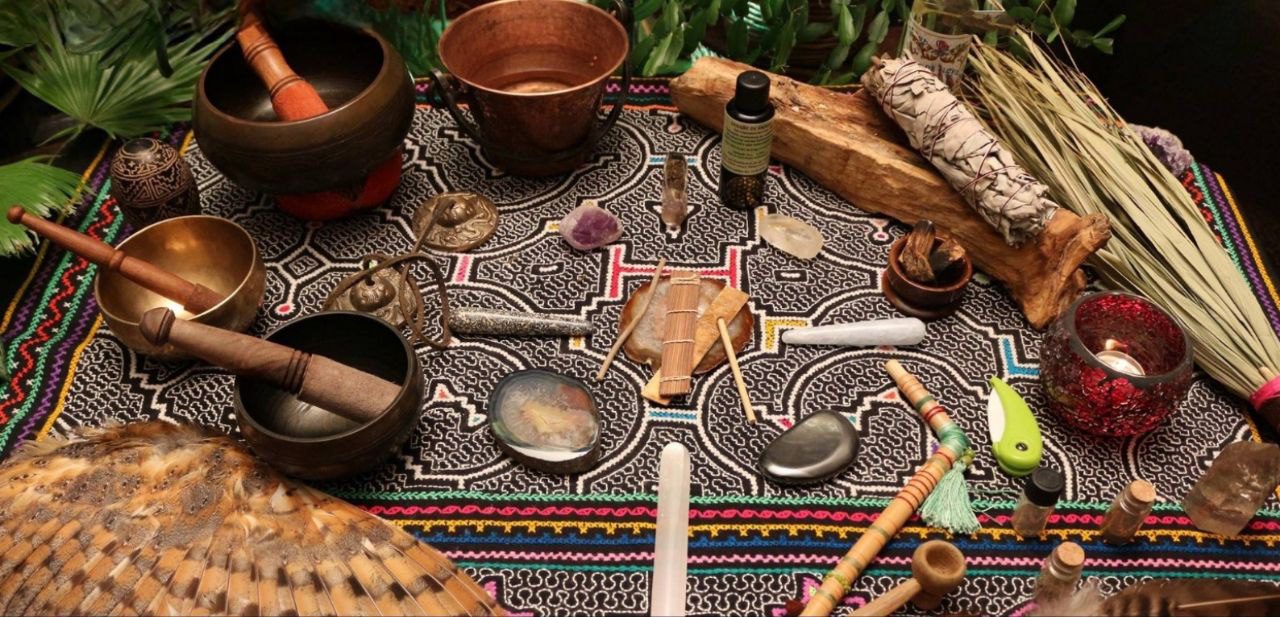
Rape
Sacred tobacco of the Amazon
The base of Rapé is Mapacho (Nicotiana rustica), a sacred tobacco with a high concentration of nicotine and powerful energetic effects. Added to it are:
- ash of Palo Santo,
- crushed leaves, bark, seeds, or roots of medicinal plants (such as cumaru, tsunu, mulateiro, and others),
- sometimes — minerals or other natural components.
The composition of the blend varies from tribe to tribe and is often kept as a secret recipe. Preparation is a sacred process: harvesting, drying, grinding, sifting, and blessing each step.
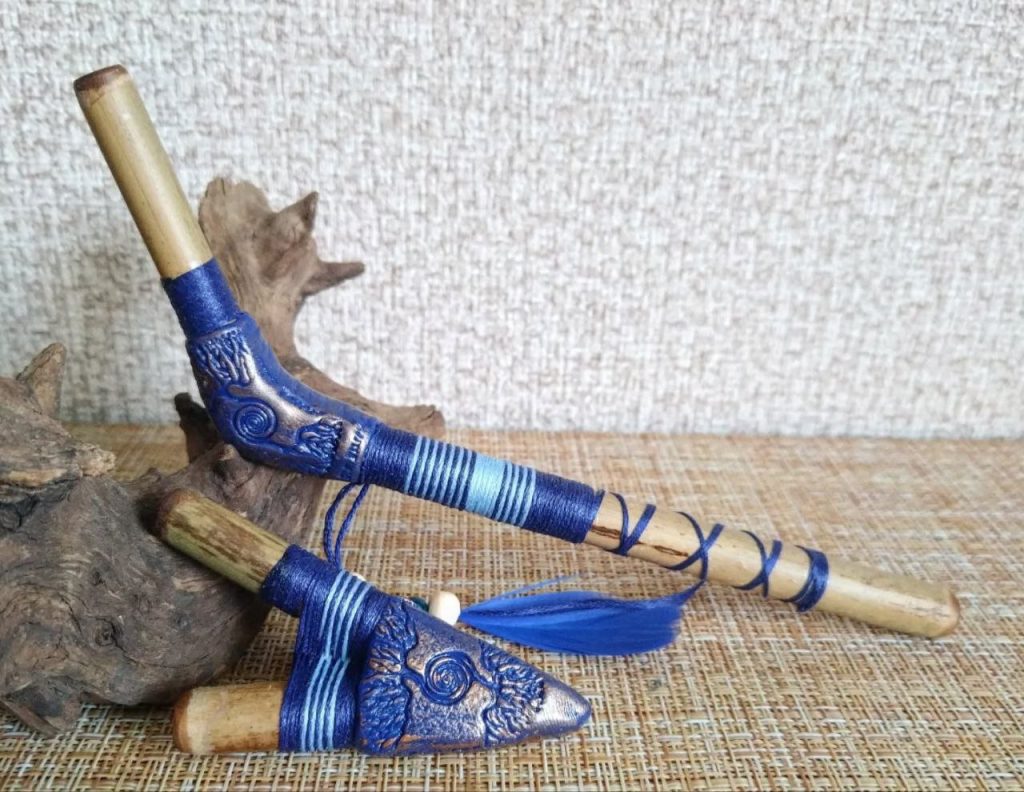
The Rapé ceremony requires special applicators:
- Kuripe — for self-application (administering from the heart to oneself);
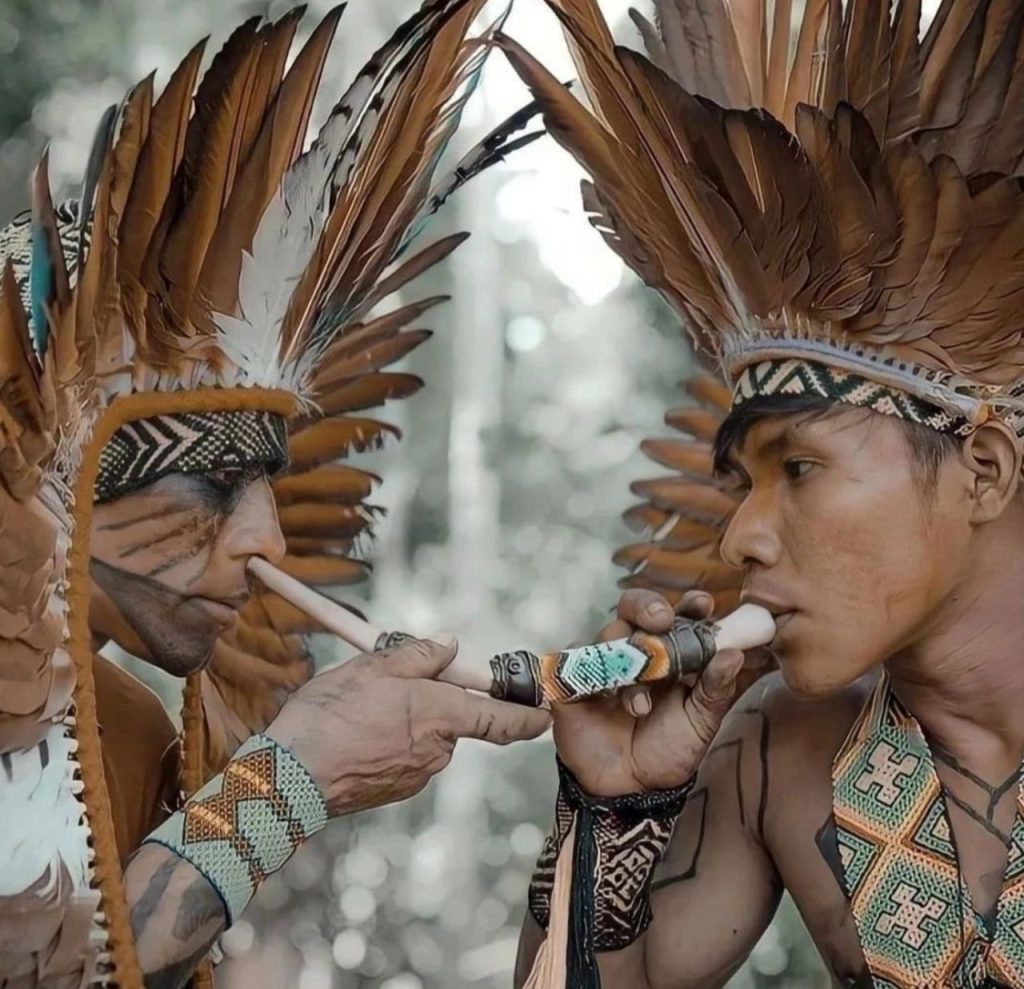
- Tepi — for administering to another participant (from heart to heart).
The ritual begins by cleansing the space with Palo Santo smoke, then forming an intention and attuning to receive the Medicine. The facilitator blows Rapé into each nostril alternately, allowing time to breathe through and clear the sinuses, and then leaves the person in a meditative state to feel their new condition: grounding, centering attention in the here and now, and sensing the activation of energy flows.
During the ceremony, the mind calms down, inner silence appears, as well as concentration and a deep sense of presence.
The effects occur immediately and may include:
- nasal cleansing,
- tearing,
- sneezing,
- and sometimes emotional release.
In rare cases, vomiting may occur as part of the cleansing process of the Medicine.
On a chemical level, nicotine in Rapé releases neurotransmitters, including adrenaline, dopamine, and acetylcholine, which support enhanced focus, mood, presence, and intuition.
It is also believed that Rapé stimulates and decalcifies the pineal gland (“third eye”), greatly aiding in experiences of expanded consciousness.
Especially sensitive people may already perceive a refinement of perception during the Rapé ceremony.
Rapé is often used in addition to psychedelic ceremonies:
- before Ayahuasca or San Pedro — for calming and attunement;
- during a psychedelic trip, when it is necessary to “hook” a blockage and release it outward, or to intensify and deepen the journey;
- after a ceremony — for grounding and releasing residual energy;
- in meditation and breathwork — for concentration and entering altered states of consciousness;
- in body-centered practices — for strengthening the connection with the body and centering;
- for clearing sinuses of mucus and bacteria, helping combat colds and respiratory diseases.
Rapé is a powerful and wise Medicine, and its use requires respect. It is important to approach the practice consciously and — especially in the beginning — under the guidance of an experienced facilitator.
Rapé does not tolerate frequent use — otherwise, it simply replaces addiction to cigarettes with addiction to Mapacho.